
CRÉOLE LENTILS
What chefs eat at home (and why in my case!) : vegetarian edition!

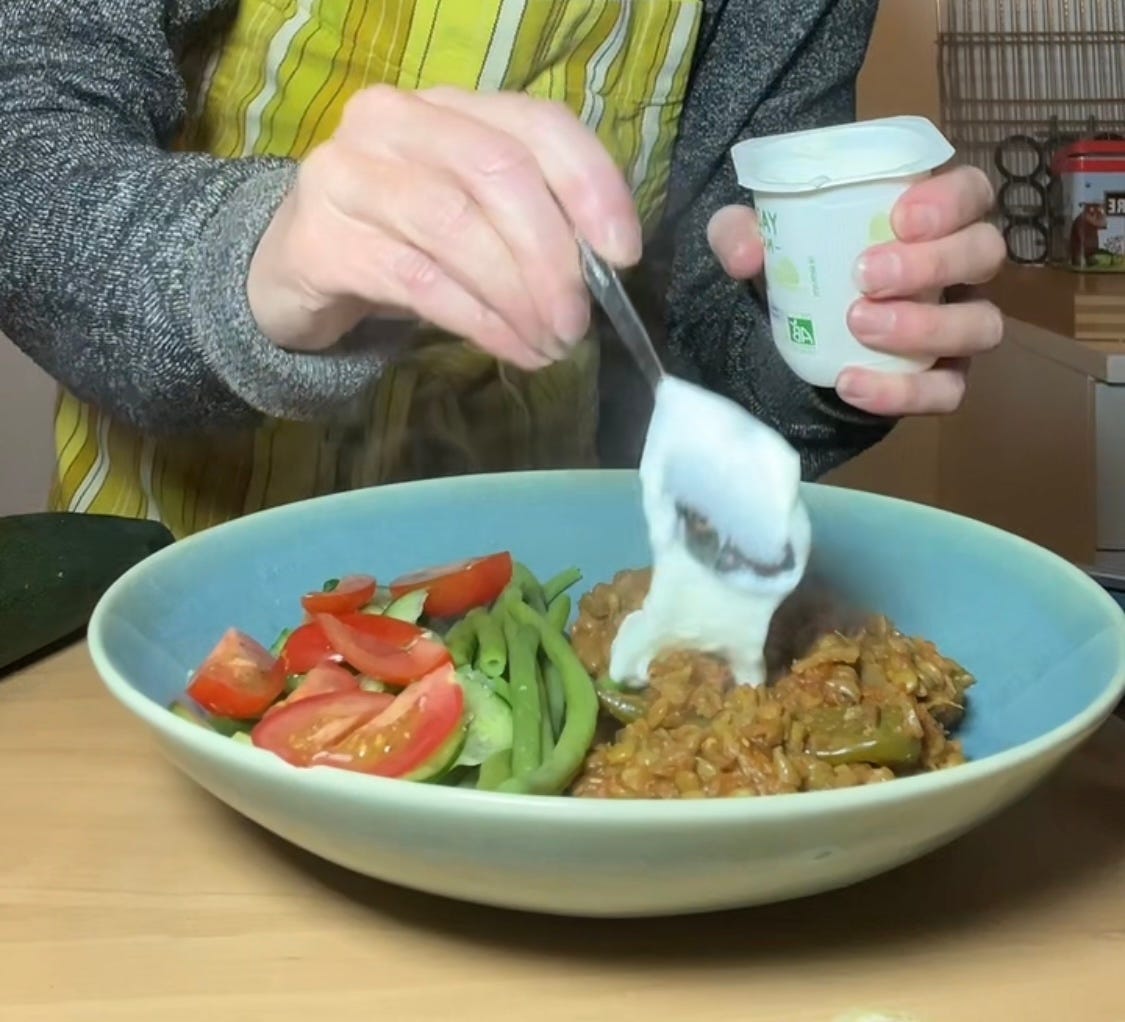
Come with me on a journey from Leeds to the Seychelles
1988 to be precise, the first year of my hotel management HND at what was Leeds Polytechnic, North UK. Not only was it the first year of my diploma, but it was my first year away from home and that meant my first year as a full-time student looking after myself and taking my turn in cooking for a house full of 5 students.
No, I considered myself pretty darn lucky given three of us out of the five happened to be hospitality and catering students. Hurrah we weren’t going to starve but we were going to eat a great, great many lentils in various forms of soup, Dahl, curry and chilli not to mention patties and in “burgers”.

Oh boy did we embrace this opportunity to live up the life of student culinary discovery via the local corner shop and occasional trips (if we could be bothered moving all behind at the weekend) to either Safeway or Morrisons for a day trip to fill up the cupboards and assume the role of sensible, responsible young adults.
We were, a little bit responsible and sensible.
No, we were about 20 years too late to be pioneers of the hippie vegetarian movement protesting against the industrialisation of food. Lentils however were then and still now are nutritious, cheap unreasonably good sources of protein for vegetarian diets. Given it was our first year of being full-time students away from home, gravitating towards piercing studios, student nights, Indie bands (that are now mostly famous) and lentils, beans and rice were to be expected.
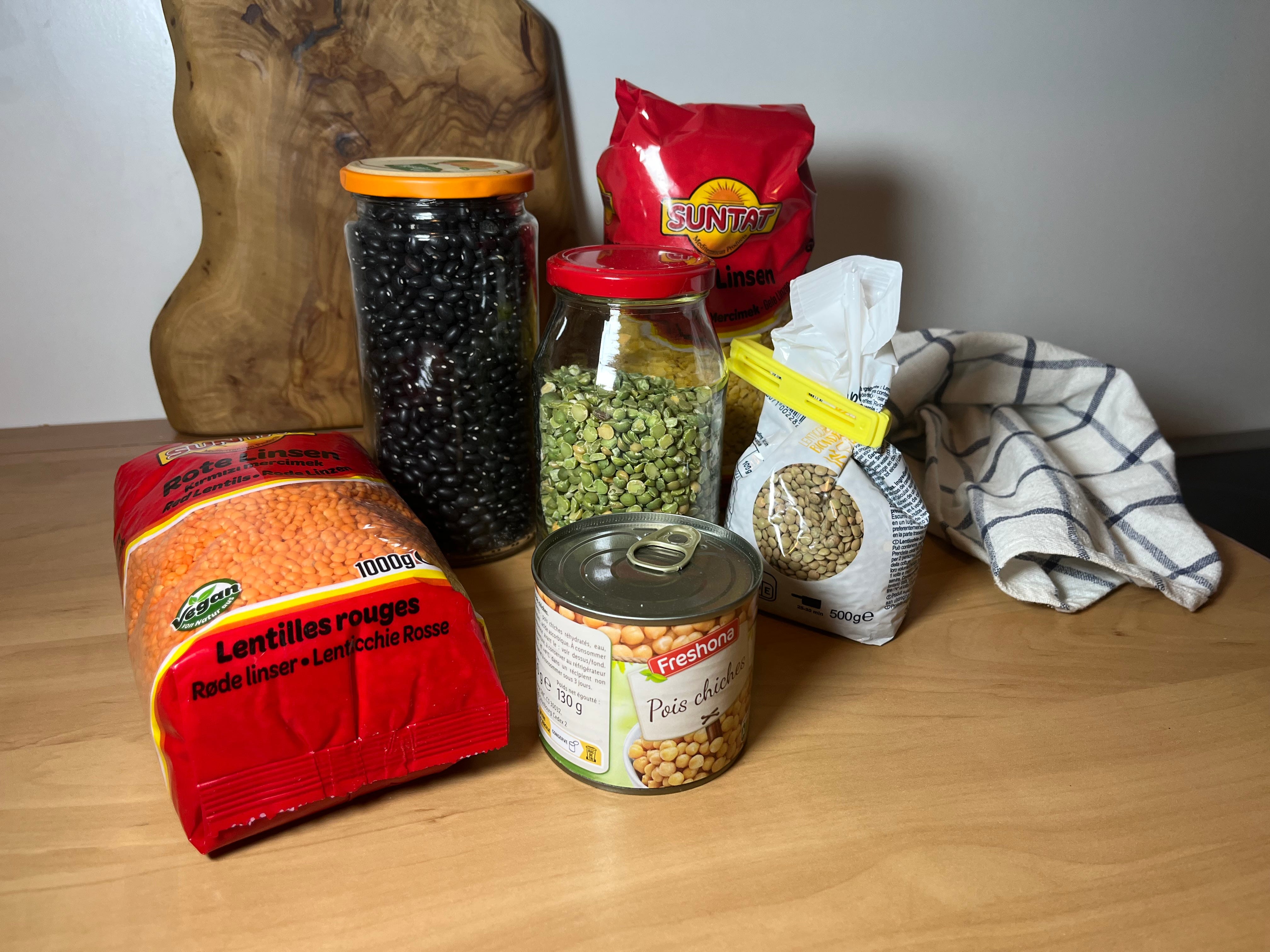
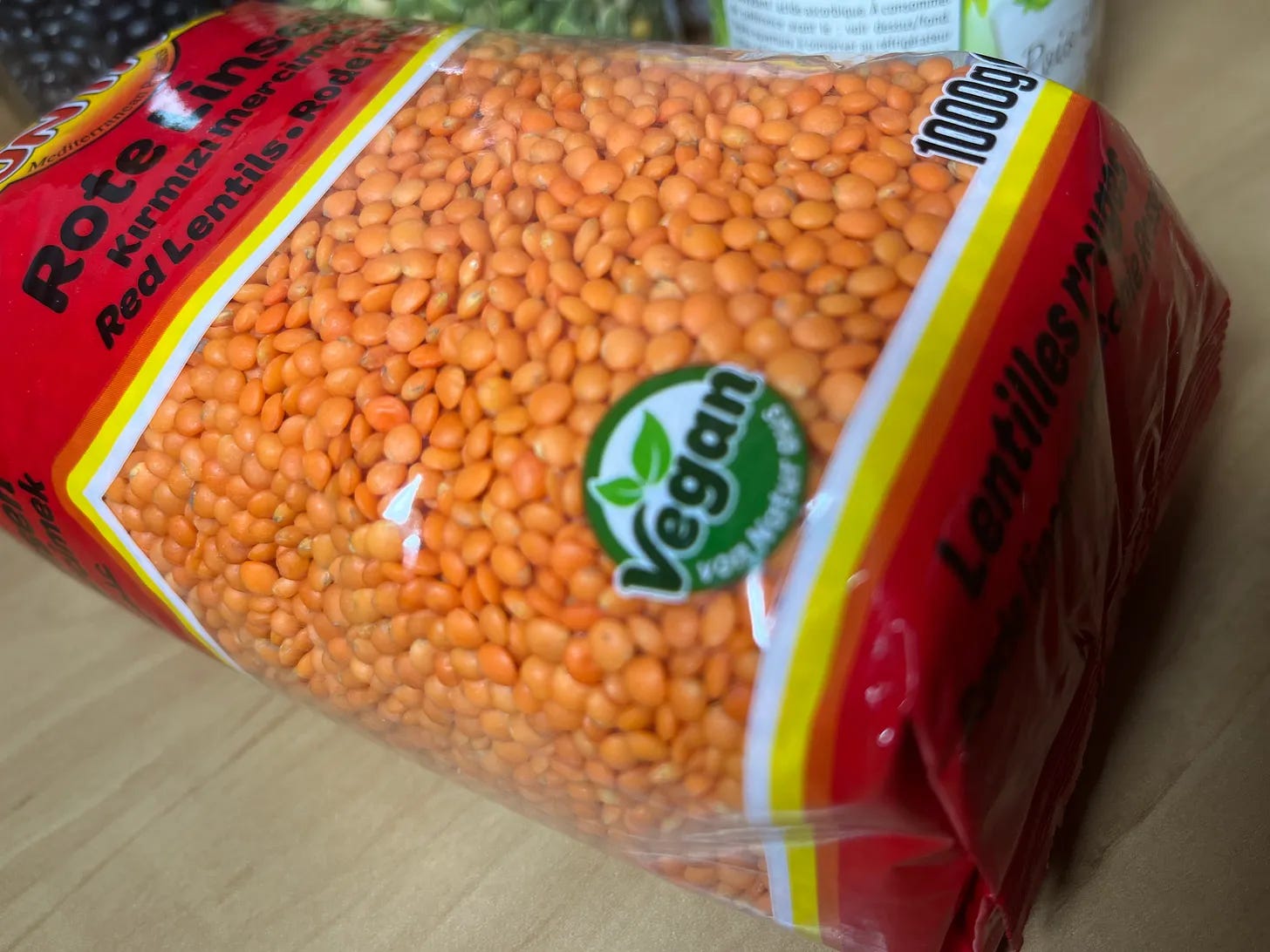
Little did I know that some 35 years on I would still be in love with the little green and orange dried beans and peas. This is odd considering I couldn’t stand anything remotely beanie or pea-like as a child. I was completely repelled by the colour, texture and flavour. Not up my street at all. I couldn’t tolerated beans on toast let alone a chickpea curry.
Did you know that when you combine lentils or pulses with a whole grain, it makes a whole protein with the full compliment of amino acids? I think that’s pretty cool.
Listen, I’m no nutritional expert but I studied the shenanigans for long enough. Nothing for certain, research changes and evolves. New findings pop up whether on the news or social media or a white paper somewhere. The thing to remember, at least for me is that why not cook and just what we like? Why don’t we just do that?
Once I finished my studies in the UK, I didn’t let too much time pass and packed my bags pretty quickly to move abroad and start working as a chef in my very early 20s. I never really returned to the UK after that, not comfortably anyway. I was always much happier roaming with very few belongings compared to what I’d grown up with.
My very first job at sea was on a complete and utter rust bucket of a private vessel, that was in much need of renovation maintenance and and go to him containers full of TLC. Nevertheless, it was indeed a great adventure. I learned a lot, some of the lessons were tricky, but the thing I’m grateful for to this day was the opportunity to explore markets in Townsend villages where I’d never normally have the chance to discover.

Our mission as crew was to take the vessel (not on our own silly, we had a Captain) from Malta in the Mediterranean around the islands down through the Suez Canal and on to Tanzania and the Seychelles. Luckily for me as Chef for 10 crew, I think and up to 12 guests I was able to go assure quite frequently to provision and pick up ingredients.
I have great memories of leaving the yacht by tender with a shopping list, and a bag full of dollars. I’m being greeted by a local guide on the dock to assist me (okay chaperone me… at 5ft 2 tall who was I to argue) with the grocery shopping trip. Doing the yacht provisioning locally on the islands with locals meant that not only did I get to pick out truly authentic ingredients and produce, but also I could indulge myself culturally. I could experience the vibe of a local market and the people behind the stalls and small businesses. Chatting to the vendors meant pulling up a water butt, grabbing a Sprite and yarning out your life history together.
That was the magic of my job. Total immersion.
It’s different today chefs and clients have their produce flown in or delivered to the dock and provisioning lists are created based on preference. What the island or village, local fishermen and farmers had to offer didn’t matter as much as the caviar brand of champagne label from ‘home’.
It’s not always the case and I’m not making any kind of authoritative statement here. I’m in no position to do that and am certainly not tall enough to fit off the agents. I share my own experiences. After all… I can only really reflect on what I’ve lived through. The rest is nothing more than an assumption of how others plan their menus. Produce availability, client preference or a blend of both.
I preferred it the old way. Called me a dinosaur.
So it was during my time navigating the Seychelles both with and without guests on board that I was able to learn a little bit about creole cooking and cuisine.

I met locals who lived on island nature reserves like Bird Island and lived a frugal, simple life. They would fish and collect their staples from the markets on the larger islands. On one occasion I was advised by a local lady who would come aboard quite often to use HP brown sauce in my recipes! It made sense. Aside from it being super processed, the flavour profile was ideal for bringing veggies and stews to life. A decent tang and deep strong umami flavours rich, deep and sour. Tomatoes, dates, tamarind and spices. I don’t doubt there are a few ingredients you wouldn’t usually include on your weekly shopping list but hey… just a spoonful right?
These are the kinds of flavours that make your mouth water just thinking about them… like pickled onion Monster Munch! You may need to look those up and if you haven’t yet had the pleasure of trying them… it’s something you need to do at least once in your life.
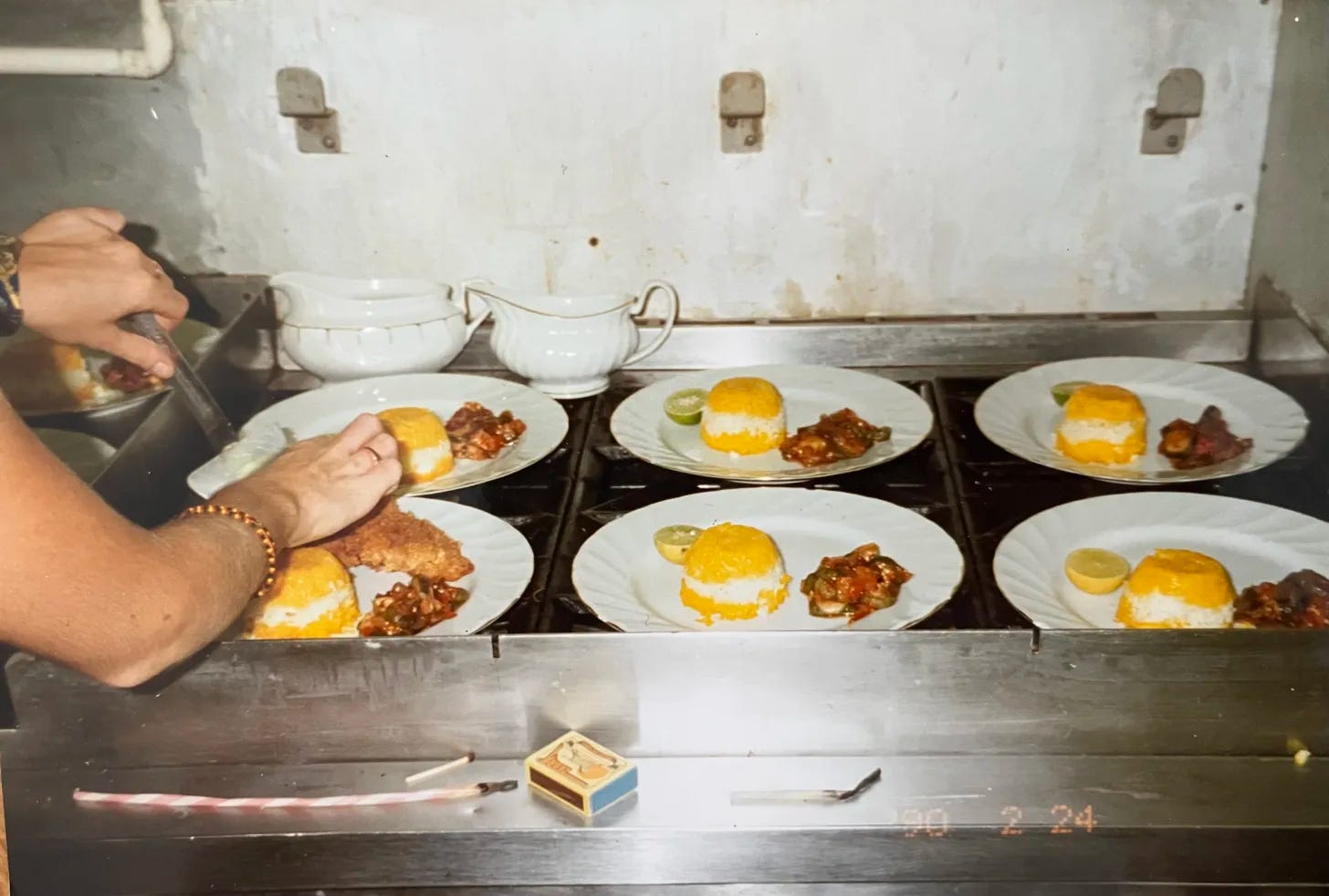
Creole flavours are an almighty fusion of African, French, Spanish, Caribbean, and Indigenous influences, creating rich deeply flavoured aromatic dishes.
It’s going to make so much more sense when I tell you about how I ended up in the French West Indies. It all starts to dovetail and mesh, as I write and retrospectively journal an almost unimaginable period of my life.
Spices and herbs like cayenne, paprika, bay leaf and thyme (always ALWAYS in my kitchen) are the culinary ‘bricks’ of Creole cuisine. Ginger and turmeric are the sand and cement. That leaves the “Holy Trinity” of onions, celery, and peppers, no dish is complete without these. Garlic, parsley, and oregano add further depth and goodness knows we need the green stuff to make our plates pretty. Right?
Creole cuisine balances heat with sweetness, using ingredients like tomatoes, citrus, and fruit. That’s my kind of sweet and sour.
Vegetables and pulses are widely used in Creole cooking adding substance and texture. Lentils, kidney beans, rice and black-eyed peas provide earthy heartiness in stews.
Top table tip before diving into that recipe-if you’re going do hot sauce, make sure you check in with your diners first. If they’re down for spice and a slight forehead perspiration episode then go ahead and add some in. If in doubt, leave it out and present the bottle to your guests. Let’s test their limits.
